Creating a garden photograph at Winterbourne
GMG and PGPA Visit to Birmingham, part 1
They were just asleep right there, precariously balanced atop the crinkle crinkle wall of the kitchen garden. This pair of ducks will be familiar for regular visitors to Winterbourne House and Garden at the University of Birmingham. Most often spotted in the dipping pool in the centre of the walled garden, they frequently make their way up to the main terrace outside the cafe to harvest any fallen cake crumbs. When I mentioned them to Jenny, the events coordinator, she informed me they don’t have names, but have been known to sneak past the staff on reception into the main part of the house.
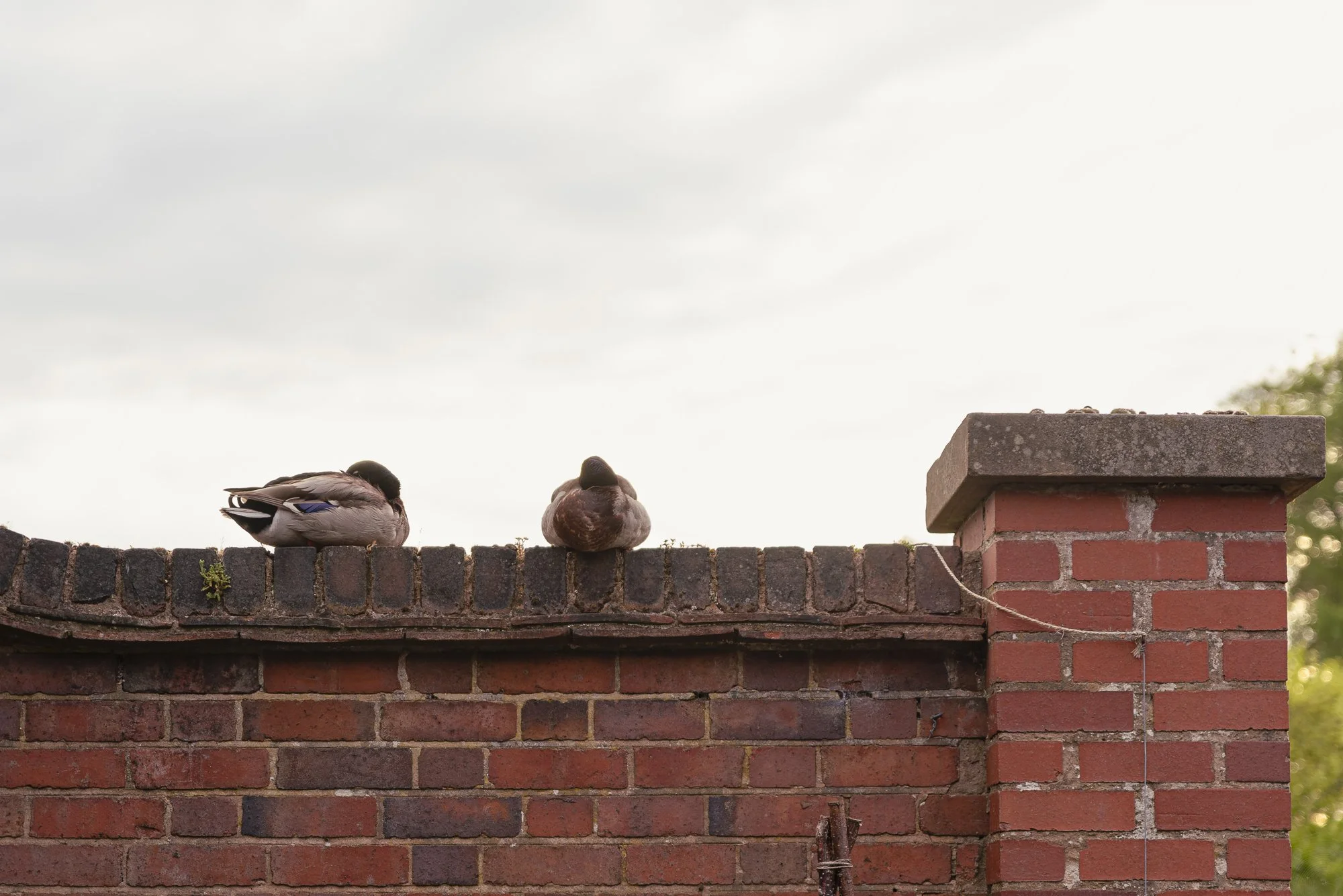
‘What were you doing at Winterbourne whilst the ducks were asleep?’ you may well ask. Well I’d signed up to a visit to both Winterbourne and the Birmingham Botanic Gardens, organised by members of the Garden Media Guild. This is the professional body I have joined whose aims are to raise the quality of garden writing, photography, broadcasting and other methods of communication. As part of this, visits to gardens of interest are an important networking opportunity for members of the garden media. The other opportunity these events frequently offer is early access to the gardens for photographers to get images during early morning light (and before lots of visitors arrive)
On this occasion I was met early by Indy Rana who runs tendershoots.co.uk together with Jenny Lily a fellow Birmingham photographer. It being this start of May, the sun was already up by the time we entered the garden at 7am but the sun wasn’t so high that it created unpleasant contrast.
I know Winterbourne garden well because I regularly volunteer there in the Letterpress museum, but there’s always something new growing, especially at this time of year. We’ve had an unusually warm and dry spring (sadly, this will become more common with climate change), so much of the planting is a few weeks ahead of where it would usually be.
I knew I should head through the walled garden towards the pink and blue borders because the mature trees on the east side of the garden would filter the sun nicely whilst still providing warm side light to capture the saturated colours of the spring flowers. Let me walk you through how I made the following image.
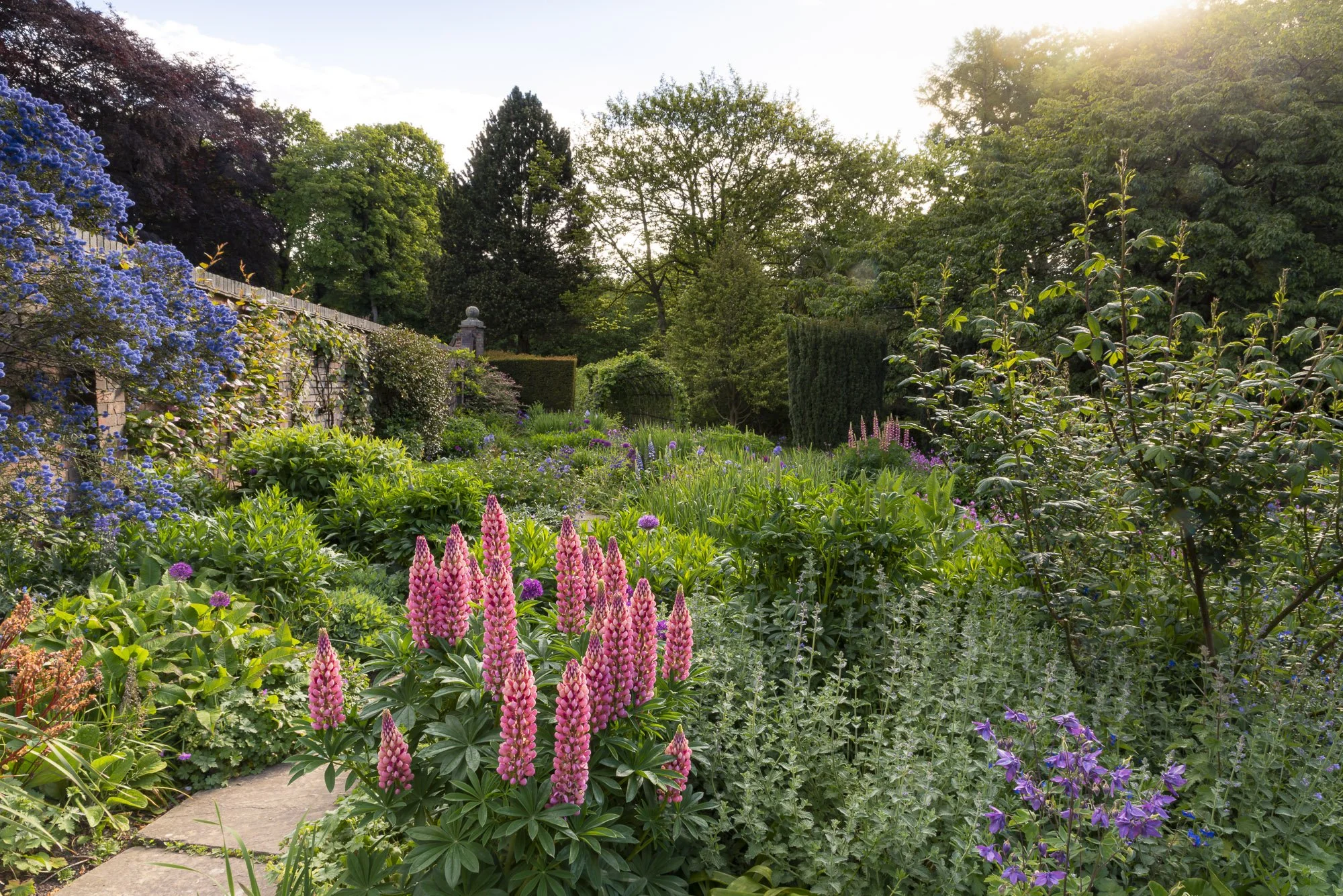
After quickly visualising the composition I wanted to create - the path leading through the border towards the Nut Walk, lupins in foreground and repeated in the background - I channeled my inner Jason Ingram and quickly set up my tripod, to which I attached my Nikon D750 DSLR. I chose my trusty 24-70mm f2.8 lens and twisted on my filter holder. I knew I wanted the image to be sharply in focus from foreground to background, to get the pink lupins and Nut Walk arch clear, so I chose a narrow aperture (high f-stop number). However, a quick check of the resulting exposure histogram revealed that if I exposed correctly for the foliage and flowers in the foreground, the sky would be completely blown out/over-exposed. So Into the holder went my trusty 0.6 Graduated neutral density (ND Grad) filter. I slid the filter down from the top right of frame to bottom left so that the brightness of the sun peaking into frame would be reduced by 2 stops of light, thus balancing the overall exposure. In hindsight, I could’ve used the 0.9 ND Grad to retain even more information in the clouds, but they aren’t the subject of the photo so I’m not overly concerned by them being almost pure white.
When I got home and started post processing this image in Adobe Lightroom I’ve dropped the highlights and raised the shadows to recover some detail in those areas and enhance the foliage. I’ve reintroduce contrast with a very shallow S-shape in the Tone curve. I warmed up the white balance to reflect how I viewed the scene on the day (my camera’s auto white balance made the scene look rather cold).
In terms of colour, I’ve increased the Vibrance slightly however the white balance adjustment mentioned above did a lot of the heavy lifting in terms of making the flowers seem more saturated. Additional contrast was added in the foliage by dropping the luminance in the Colour Mixer panel
Lastly, I added a radial mask over the sun in the top right of the image, dropping clarity, dehaze and the blacks to reduce contrast in this area. I also added some warmth with the white balance. Overall I think these adjustments accentuate the early morning vibe of this scene. I particularly like the warmth of the yellow-ish areas of light hitting the foliage in the middle of the scene. Yellow being on the opposite side of the side of the colour provides a nice contrast to the blues and purples of the Lilac tree, alliums and aquilegia. Let me know what you think by getting in touch.
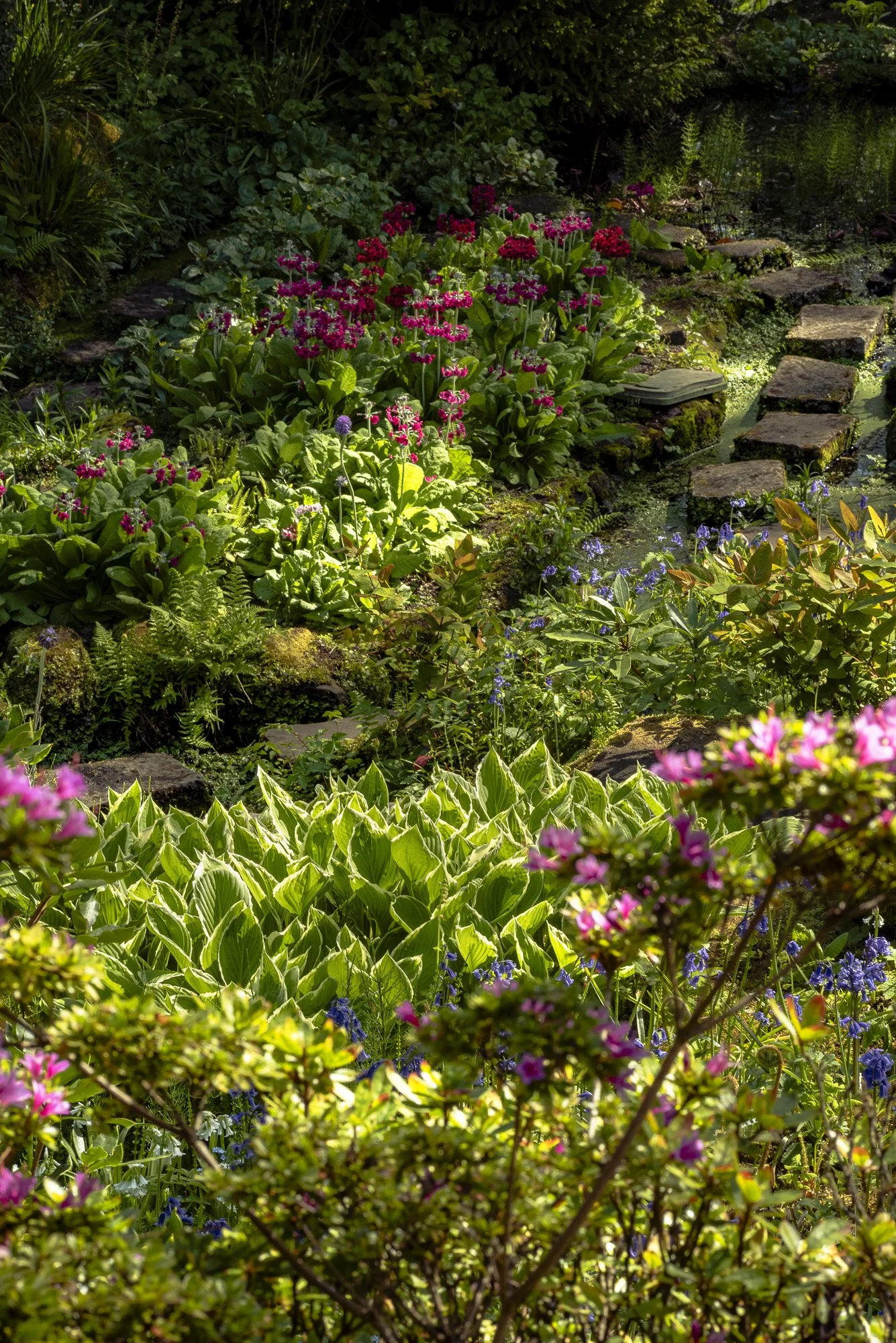
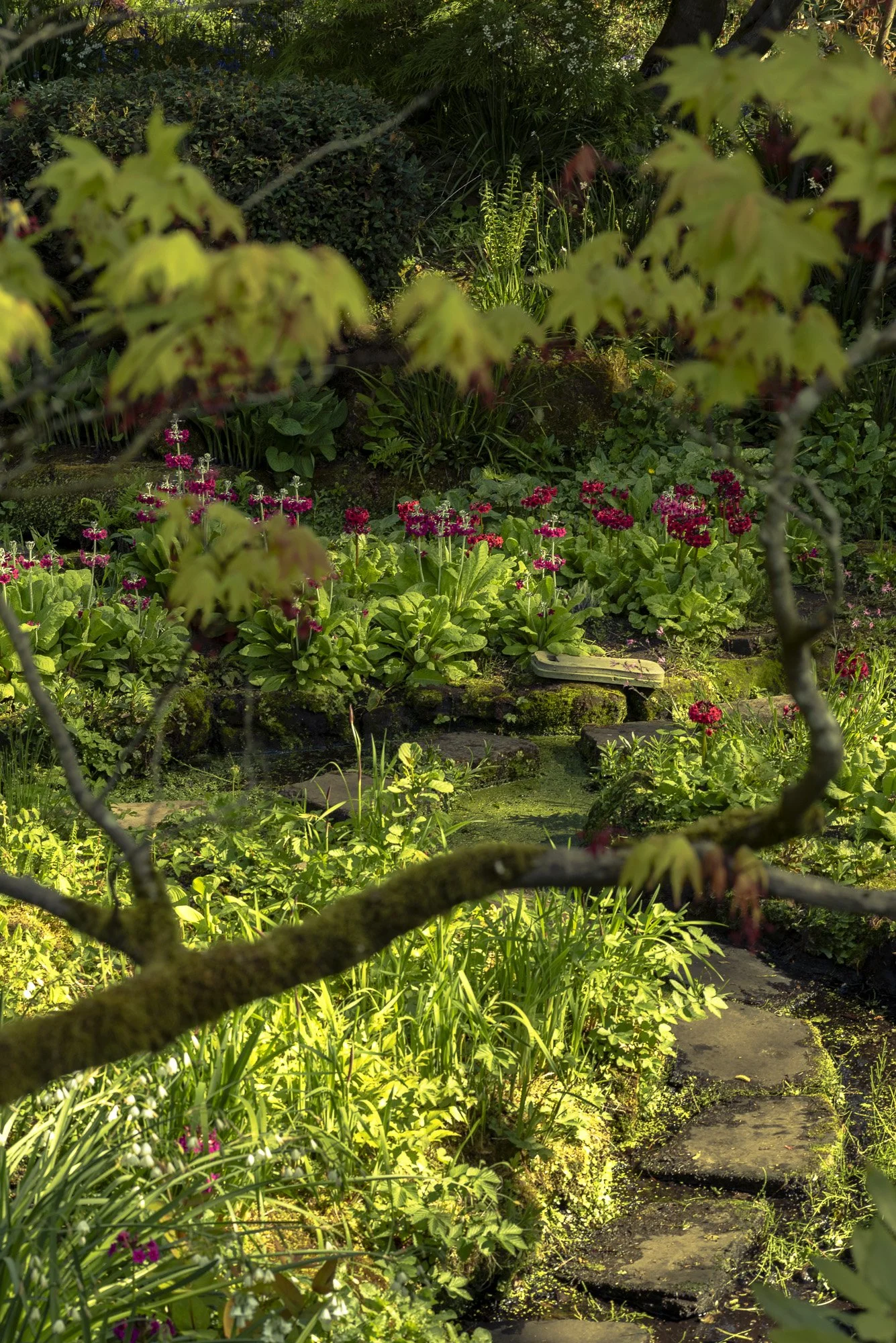
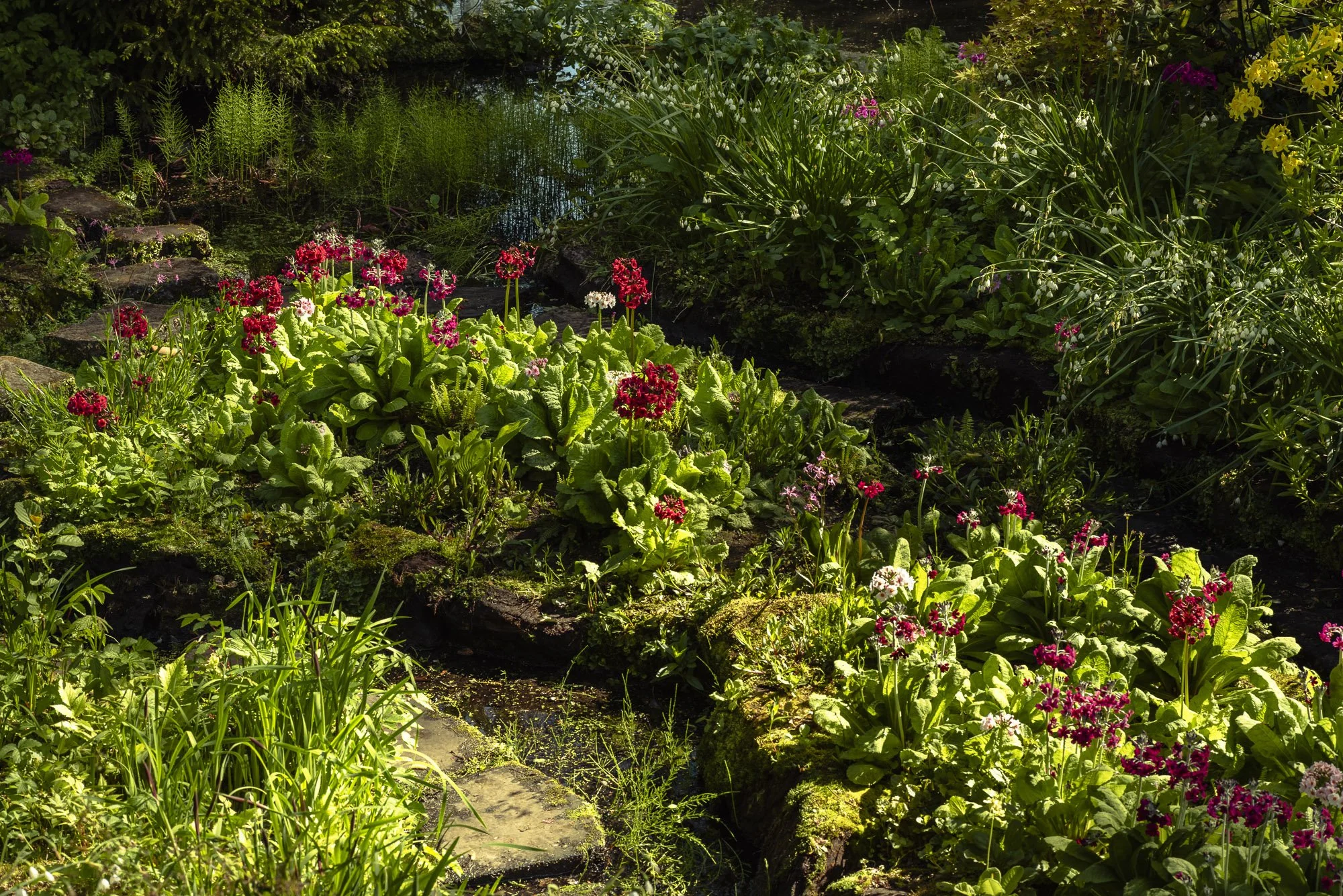
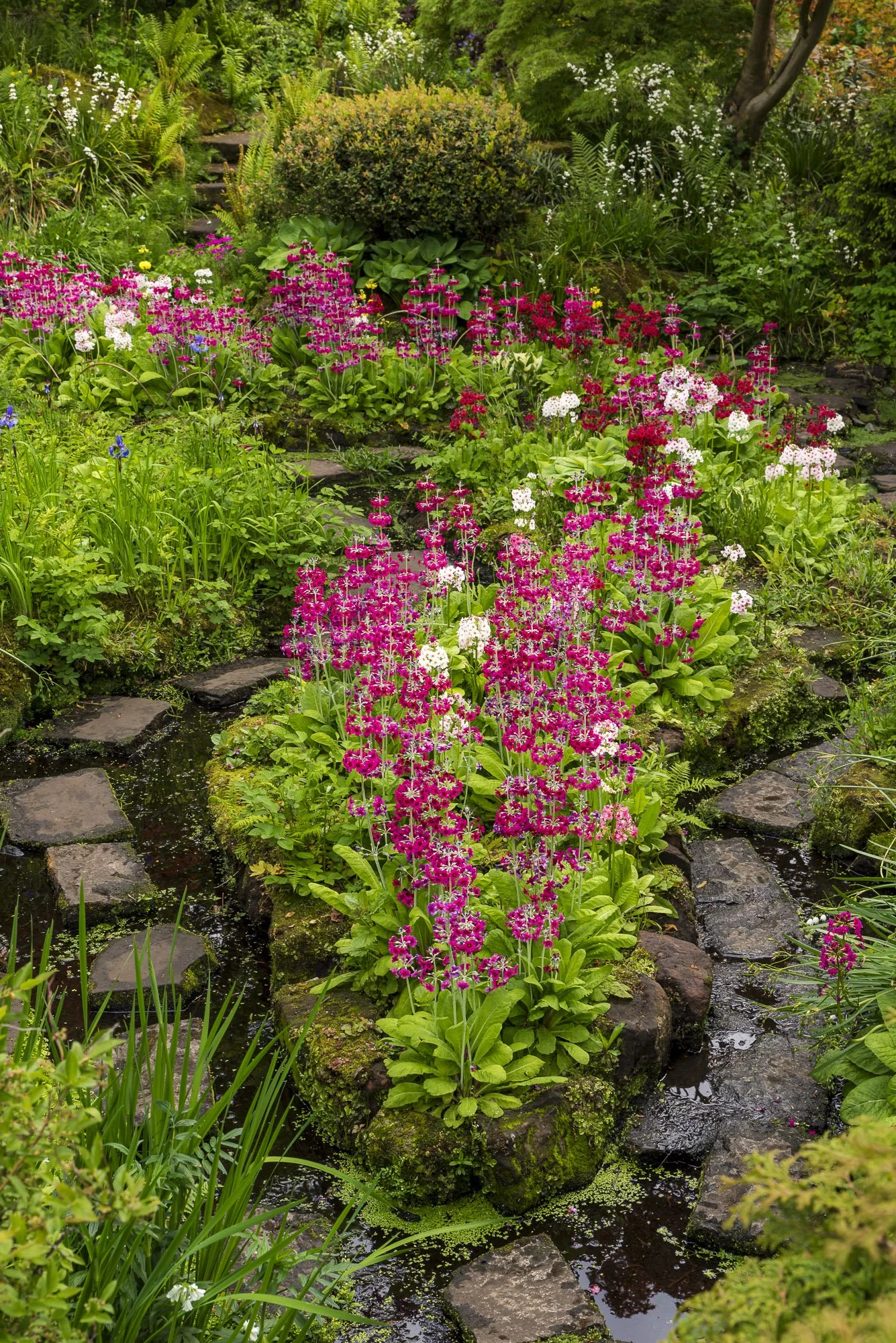
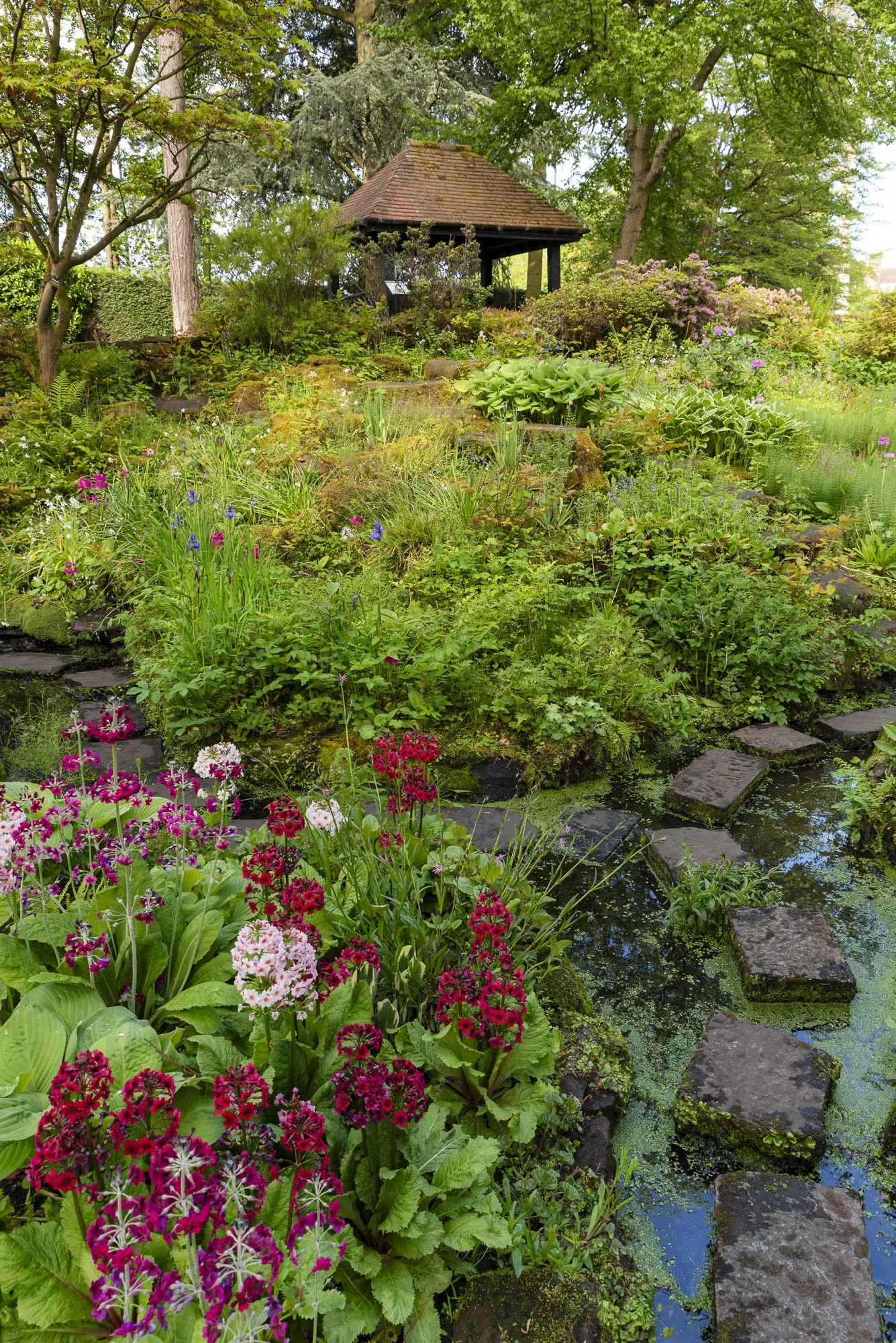
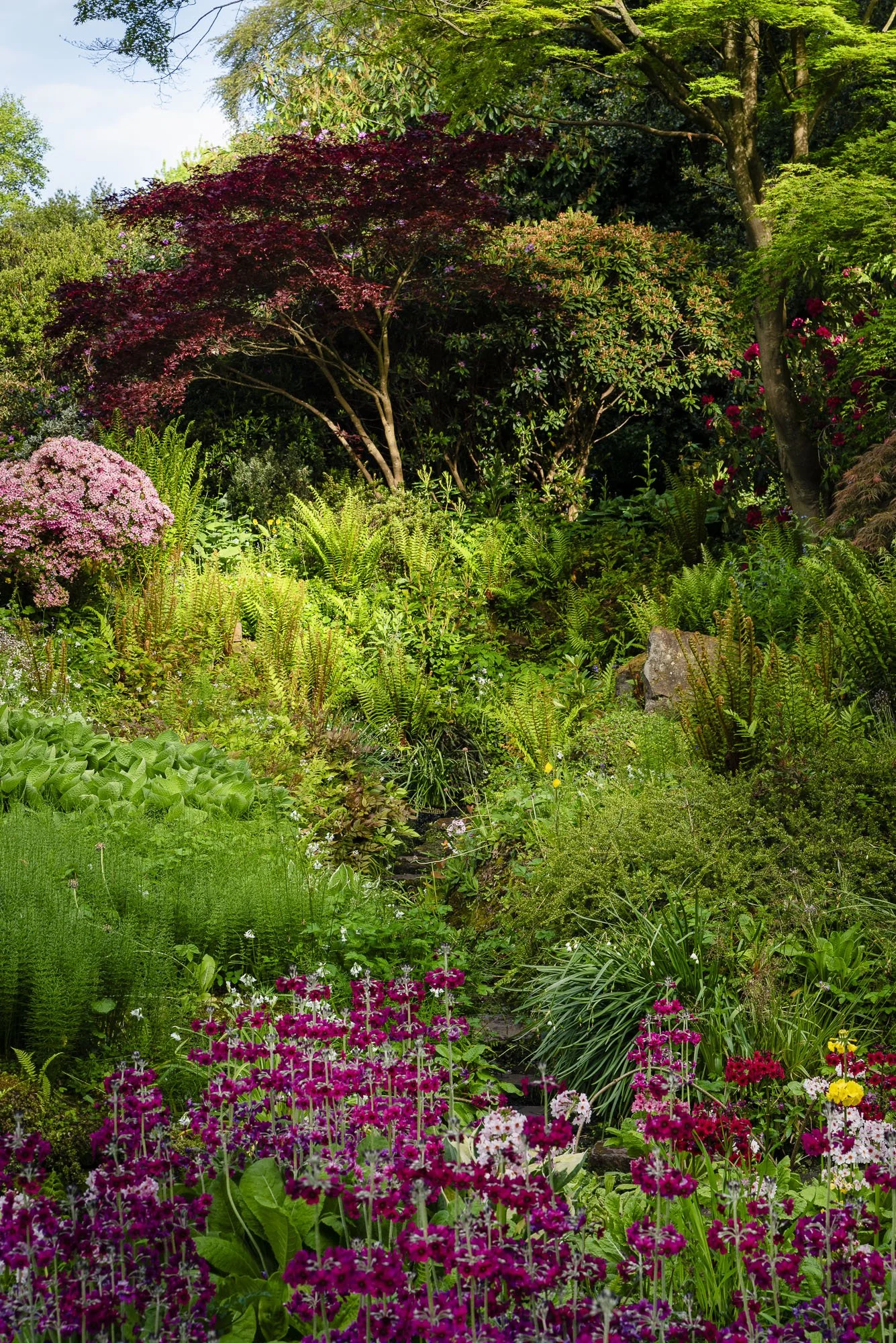
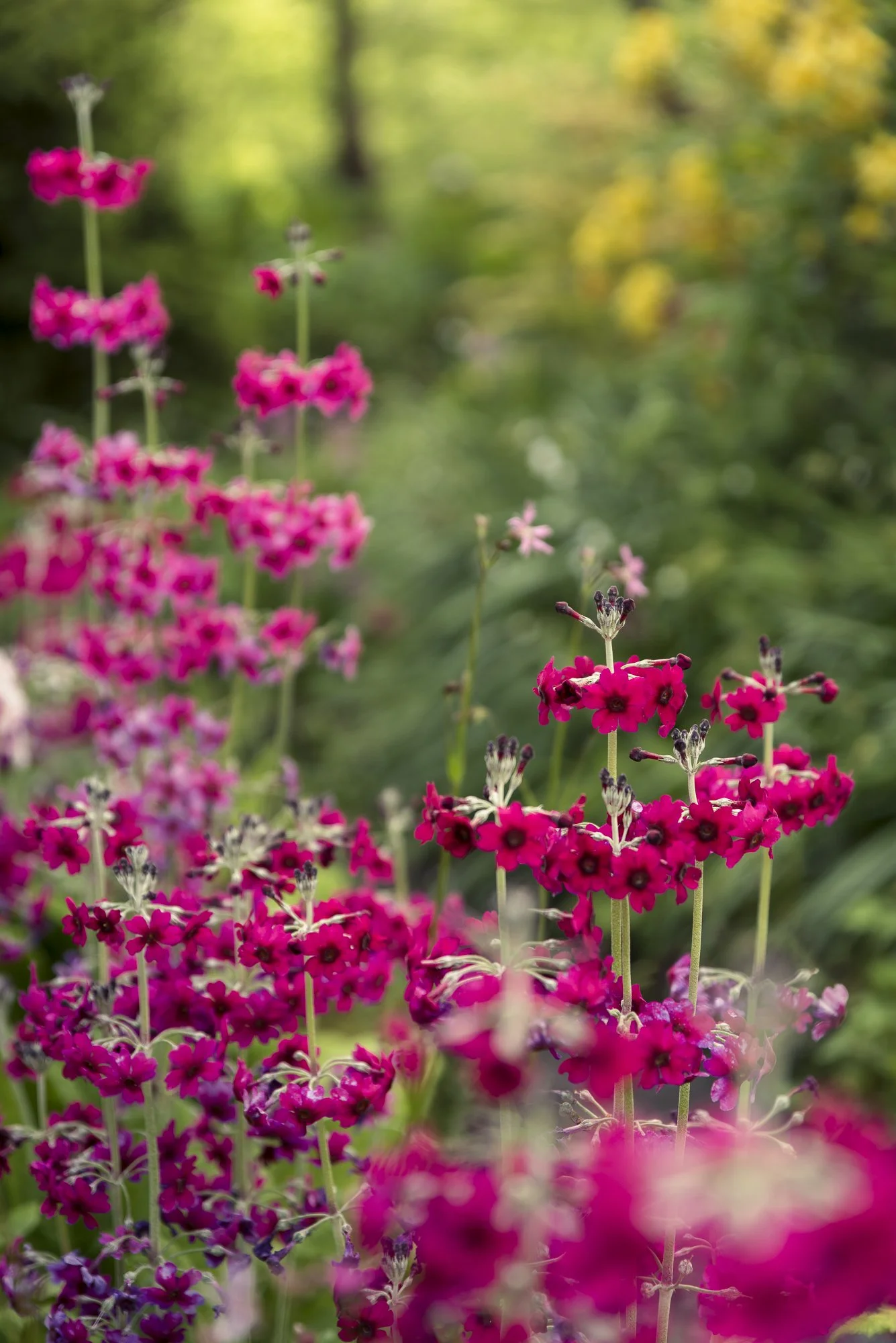
My next venture was over to the sunken rock garden. My favourite thing about this area of the is the contrast of light and shade. Despite harping on about perfect morning light, I’m a dark and moody photographer deep down. The way the light was filtering through the redwood trees this morning creating my ideal mood to capture. As can be seen in these shots, there were some lovely pockets of light hitting the hostas and primulas. Later in the morning, on our tour of the gardens led by horticultural supervisor Fumiko Miyachi, I discovered that this area of the garden is fed by natural springs (and rainwater run-off from the adjacent astro-turf sports pitches). It’s this abundance of water that makes the conditions ideal for the primulas.
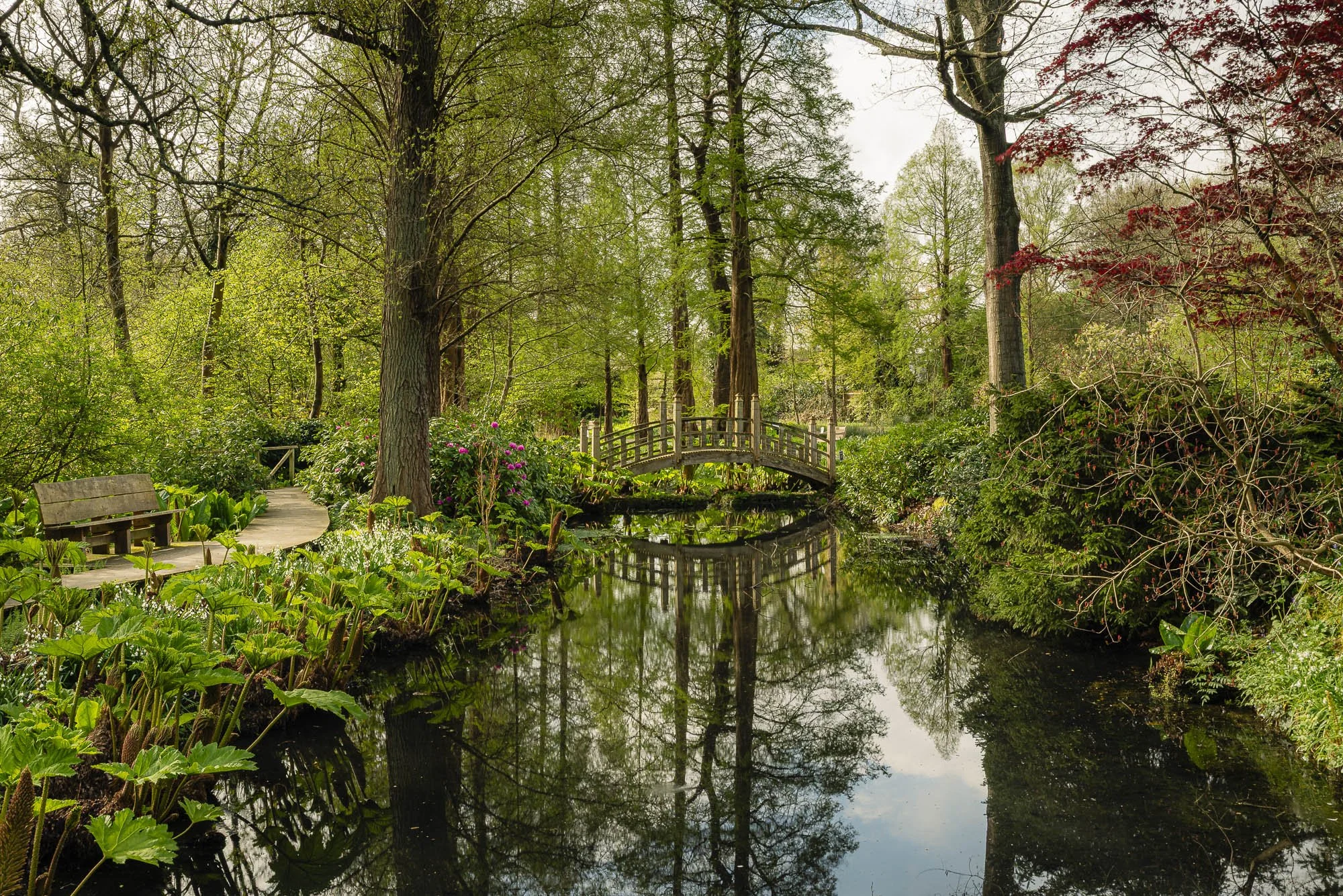
I should also mention that this area of the garden holds a special place in my heart as I would sit on the bench overlooking the Japanese bridge and just breath during my recovery from Burnout in 2024. It really is a very calming place to be and it’s hard to believe you’re only 2 miles from the city centre. It was this experience that inspired me to shoot the following image which coincidentally gained me the April 2026 Image of the Month from the Professional Garden Photographers Association. I was really proud of this, as whilst it’s not a competition, it is recognition from peers in the industry. Or as international award winning Claudia Gaupp whose work I so much admire put it “… an inspiring monthly catch up about what others were recently shooting”.
A further shout out has to go to Fumiko whose enthusiasm and knowledge about Winterbourne really shined through during the tour she gave us. We learned the way to tell the difference between Japanese and Chinese Wisteria is the direction the twines curl when viewed from above: Japanese twines clockwise, Chinese curls anticlockwise. The other way is that the Japanese racemes (flower clusters) are considerably longer.
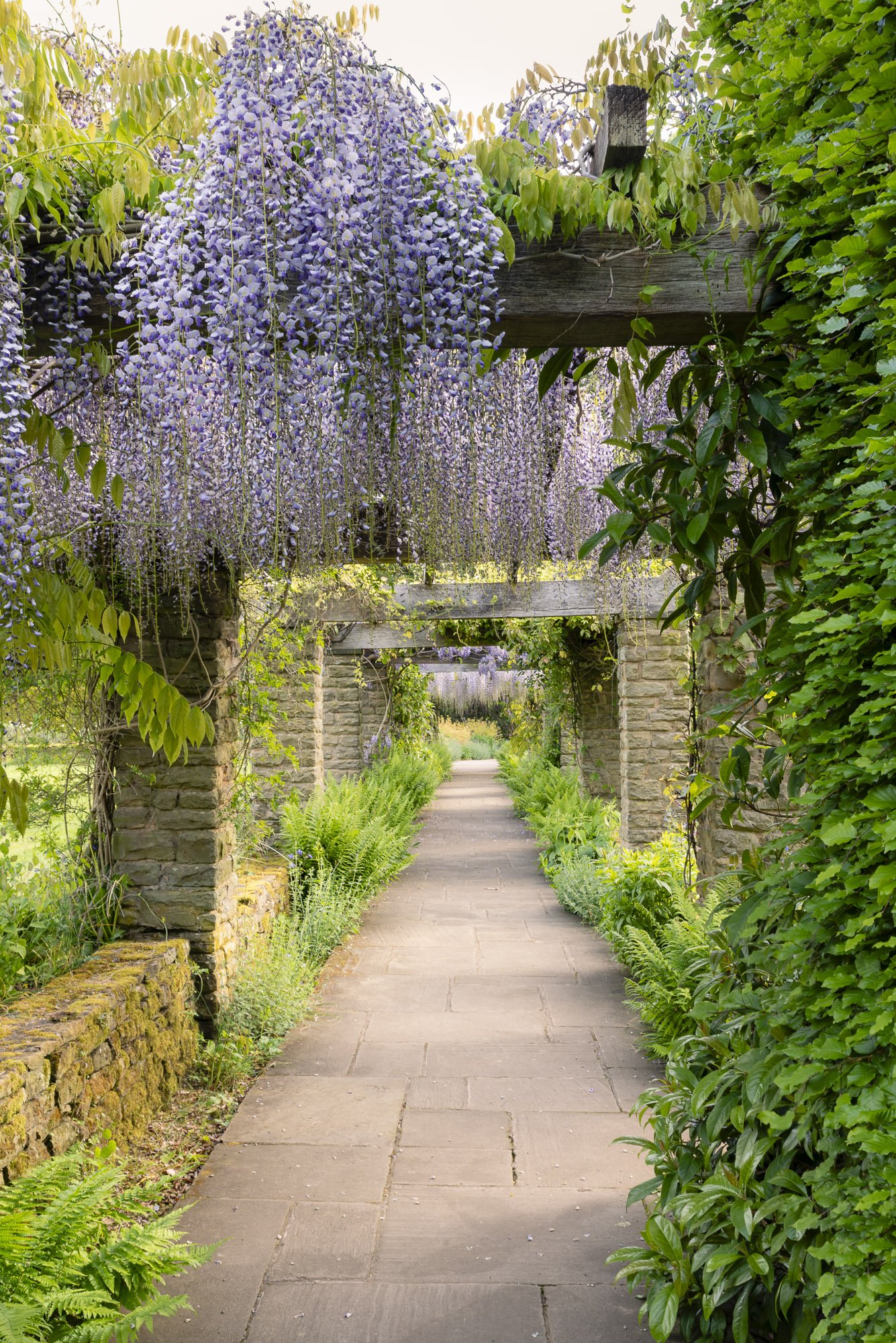
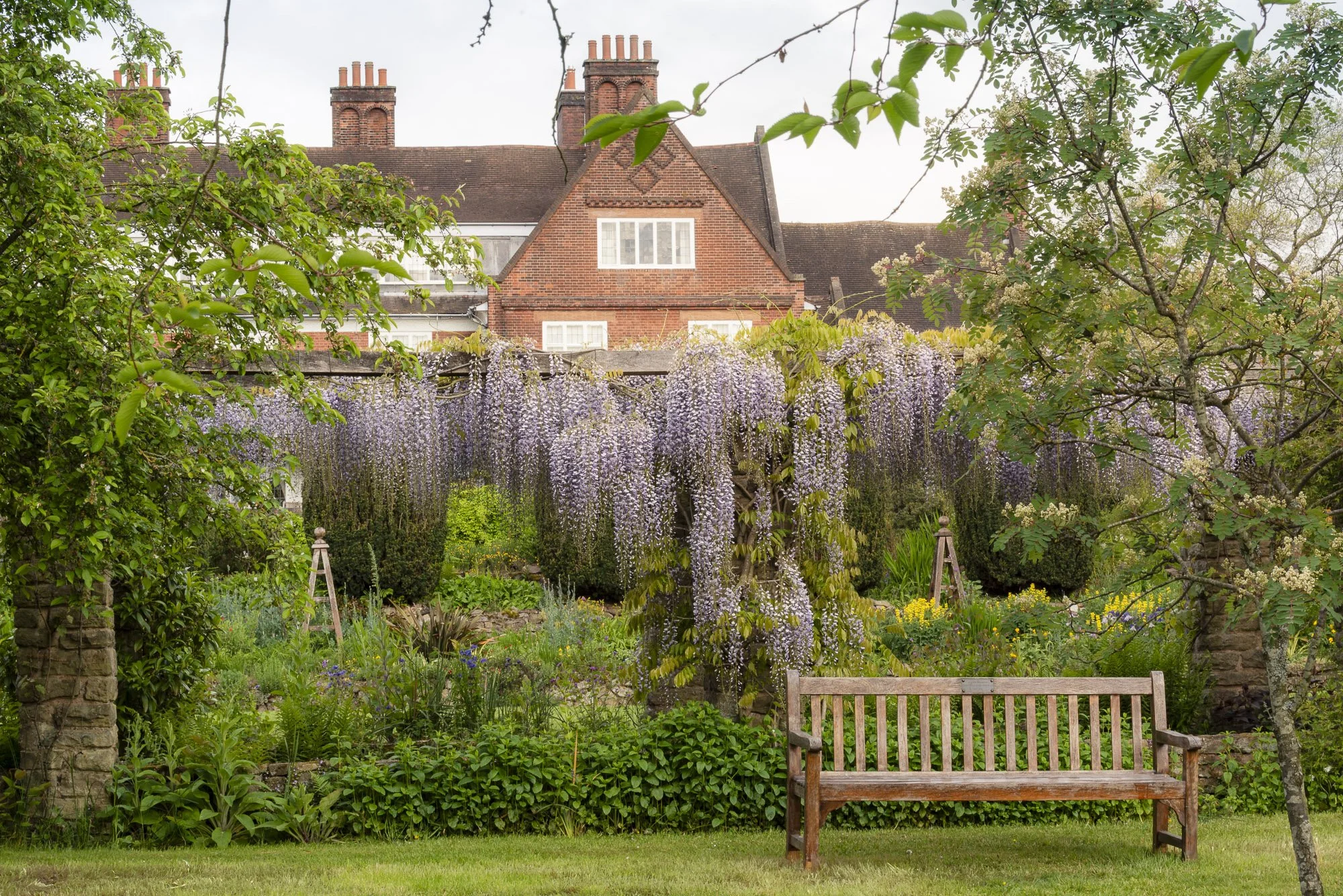
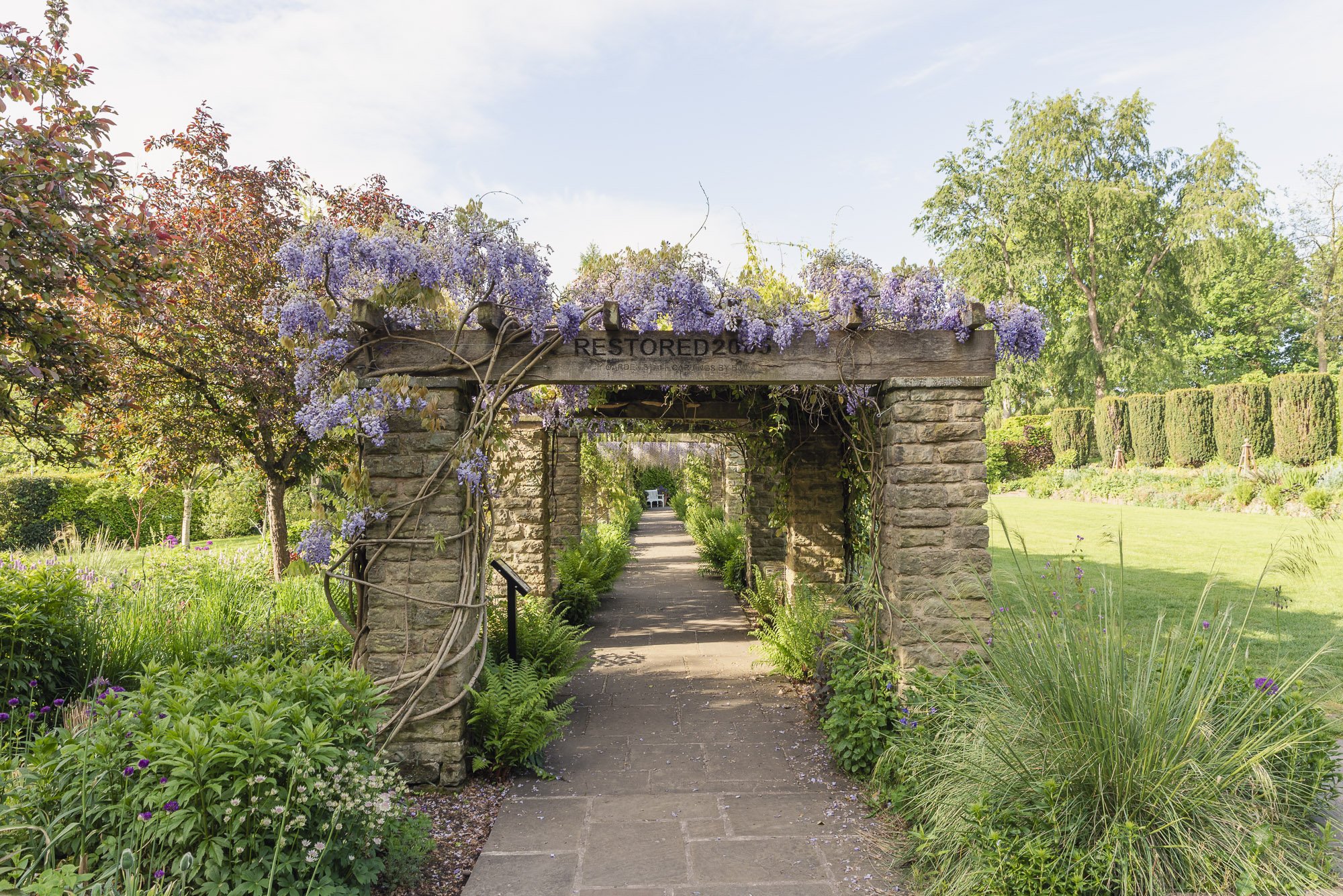
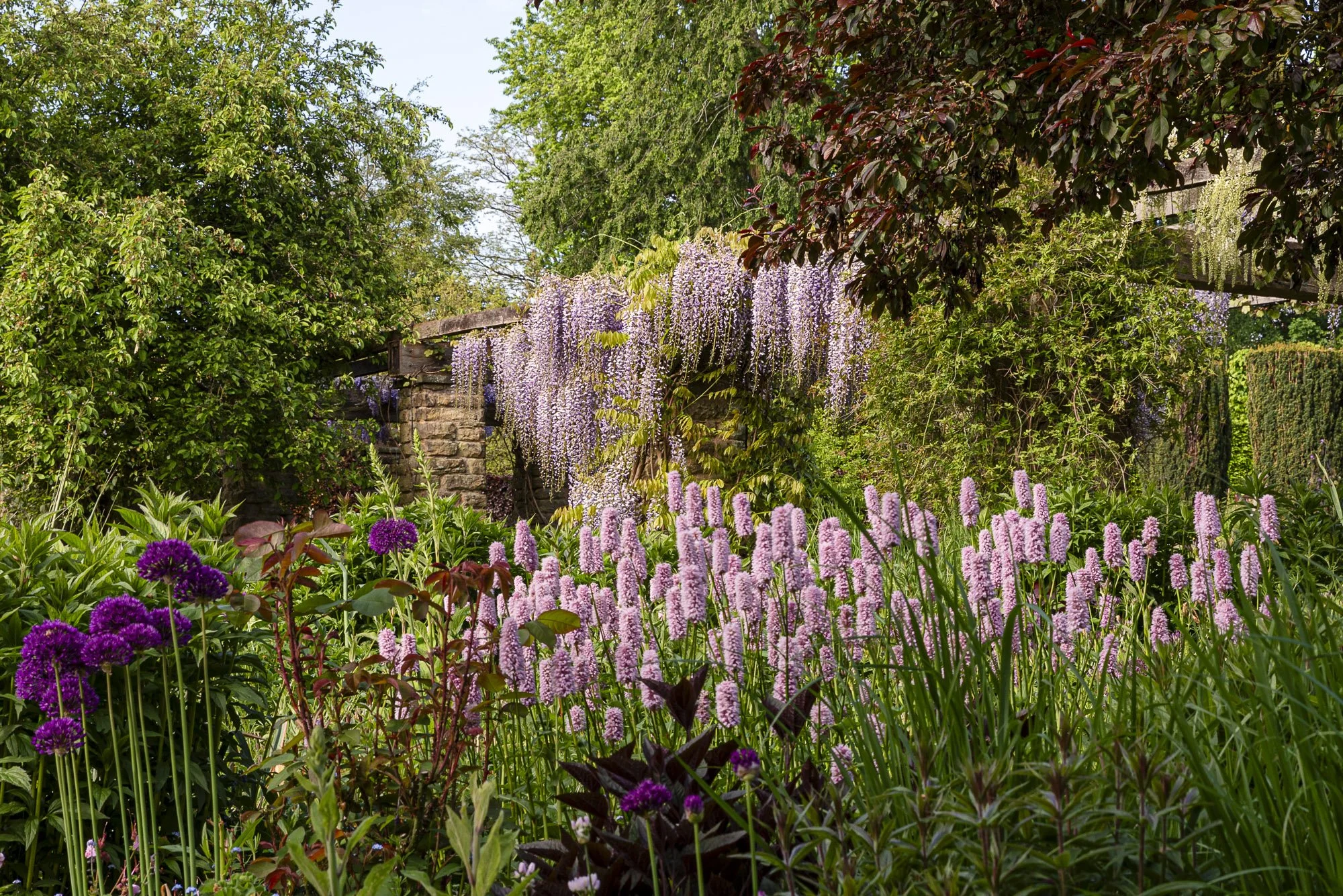
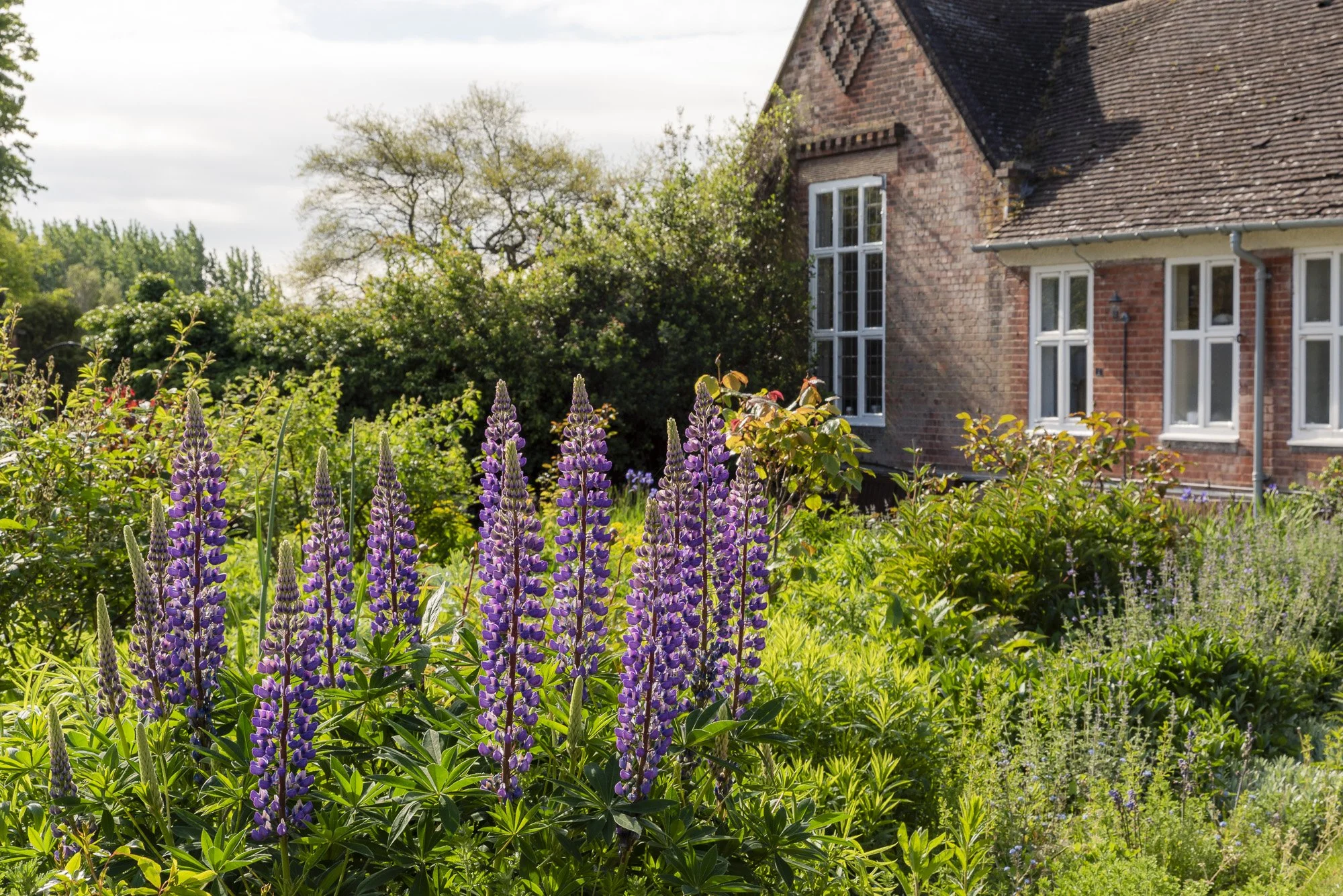
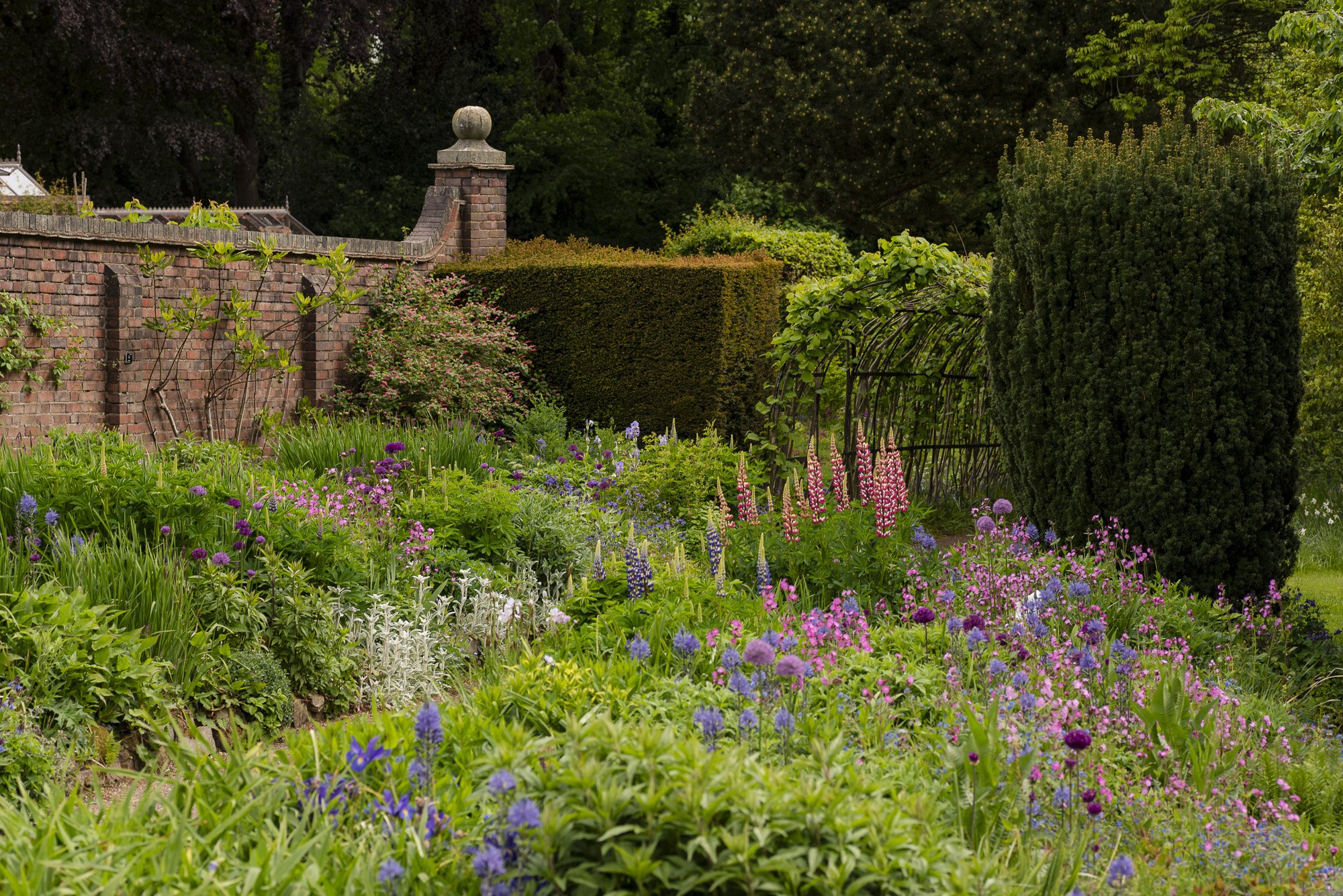
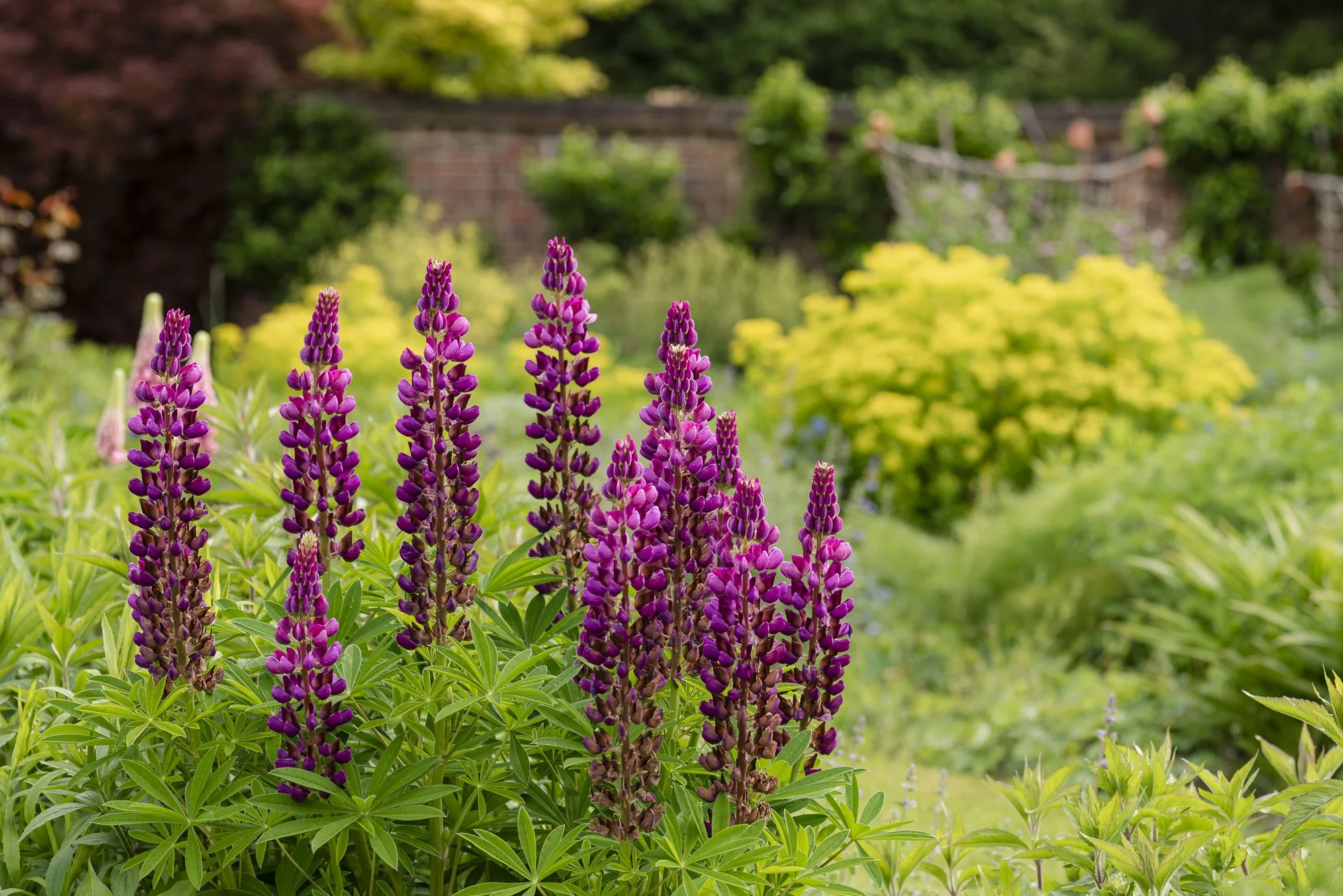
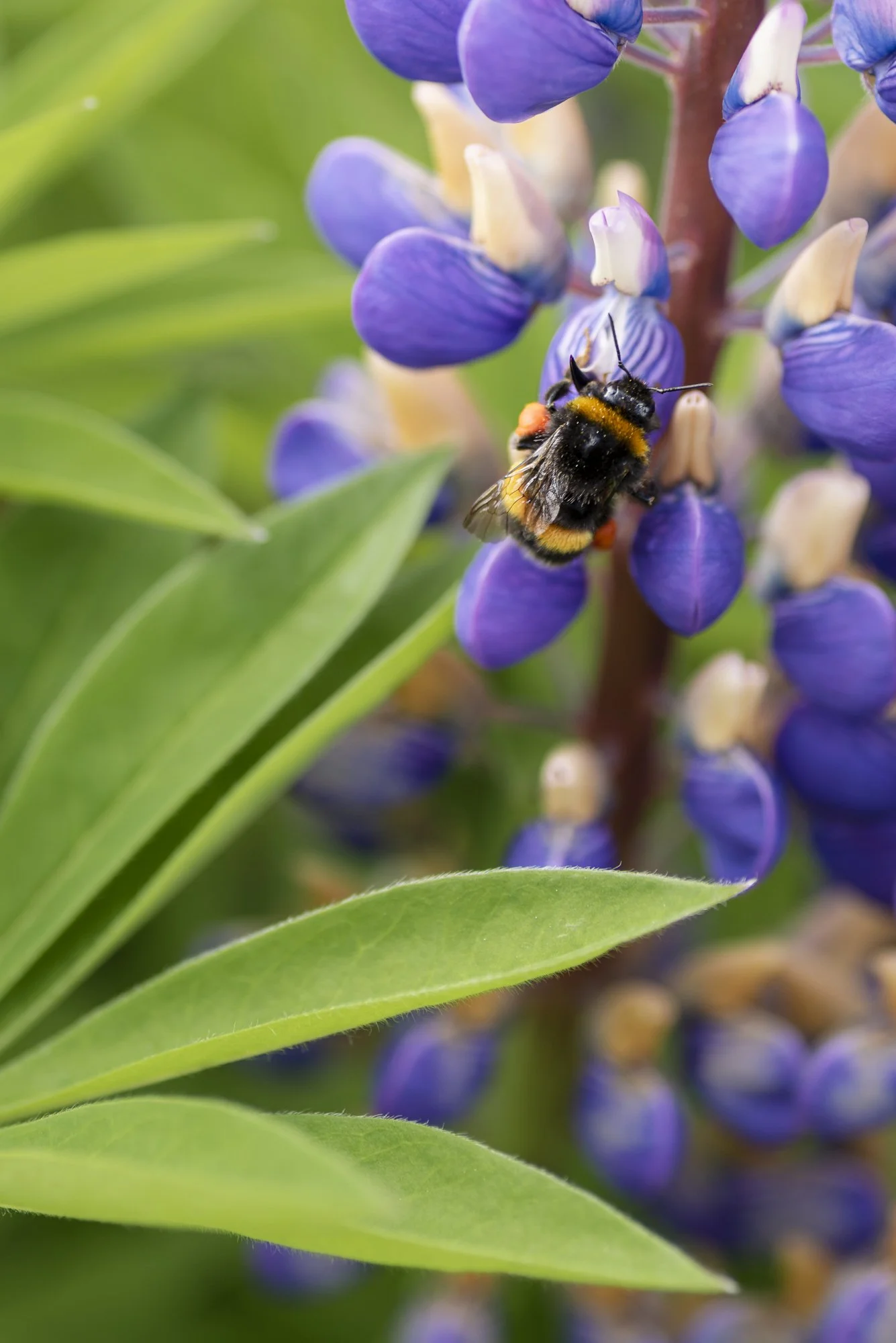
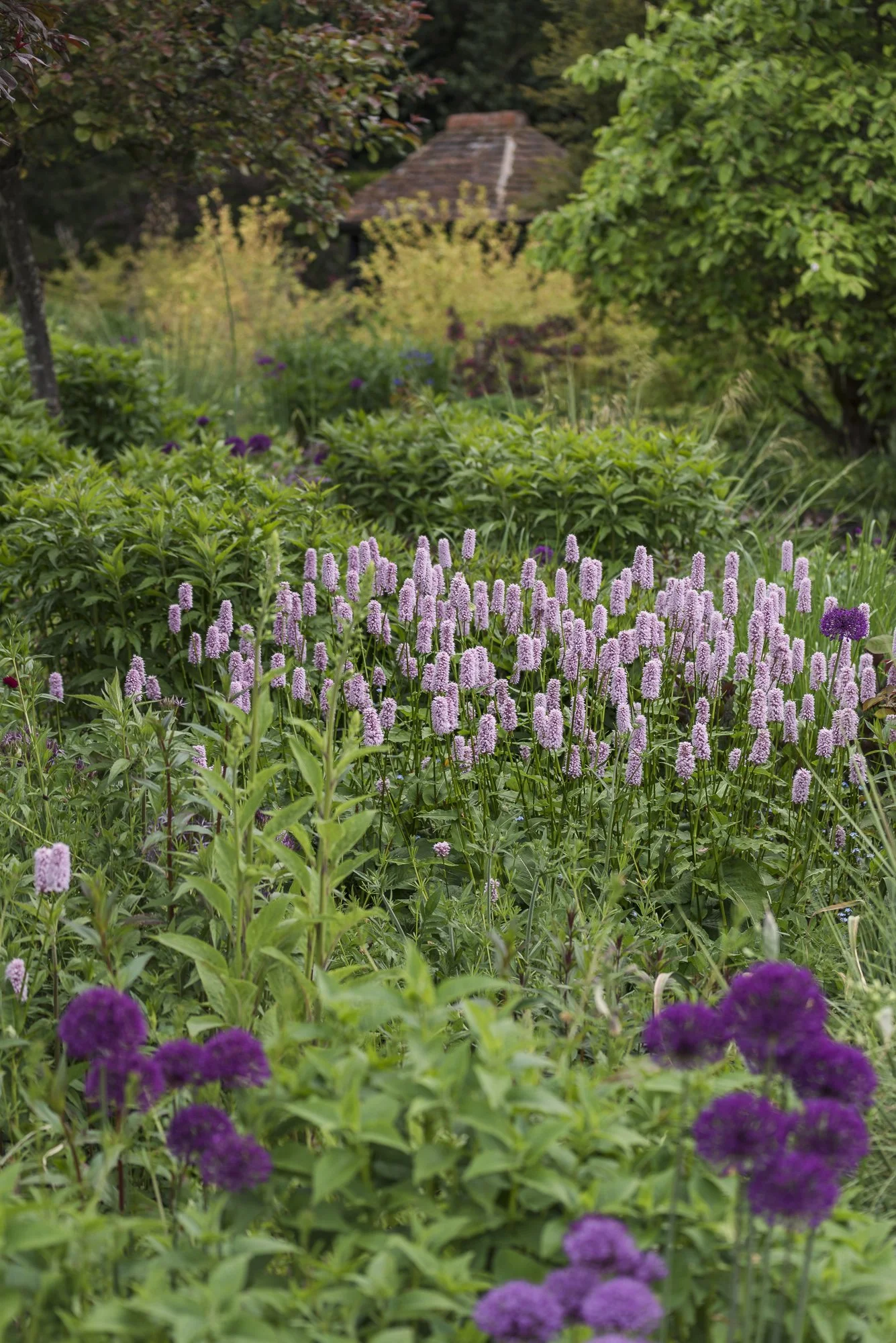
Fumiko was also very good at herding a bunch of us around the gardens, keeping us on time. Fumiko is worth a follow on social media, because her flower arrangements are fantastic. She does a lot of the floral art around the house and her seasonal wreaths on the door opposite the glass houses, together with the snowdrop Kokedamas are a sight to behold. I also really enjoyed hearing that the walled garden, which Fumiko is primarily responsible for, follows no-dig principles as well as being planted to produce food for wildlife, not humans. The following images of the walled garden illustrate some of the benefits of this. I created these images much later in the morning than the shot I directed above, however the repetition of the Lupins was intentional, so as to be able to create a cohesive set of photographs. This is important for offering clients a range of choices of composition for diverse uses, be that editorial or commercial.
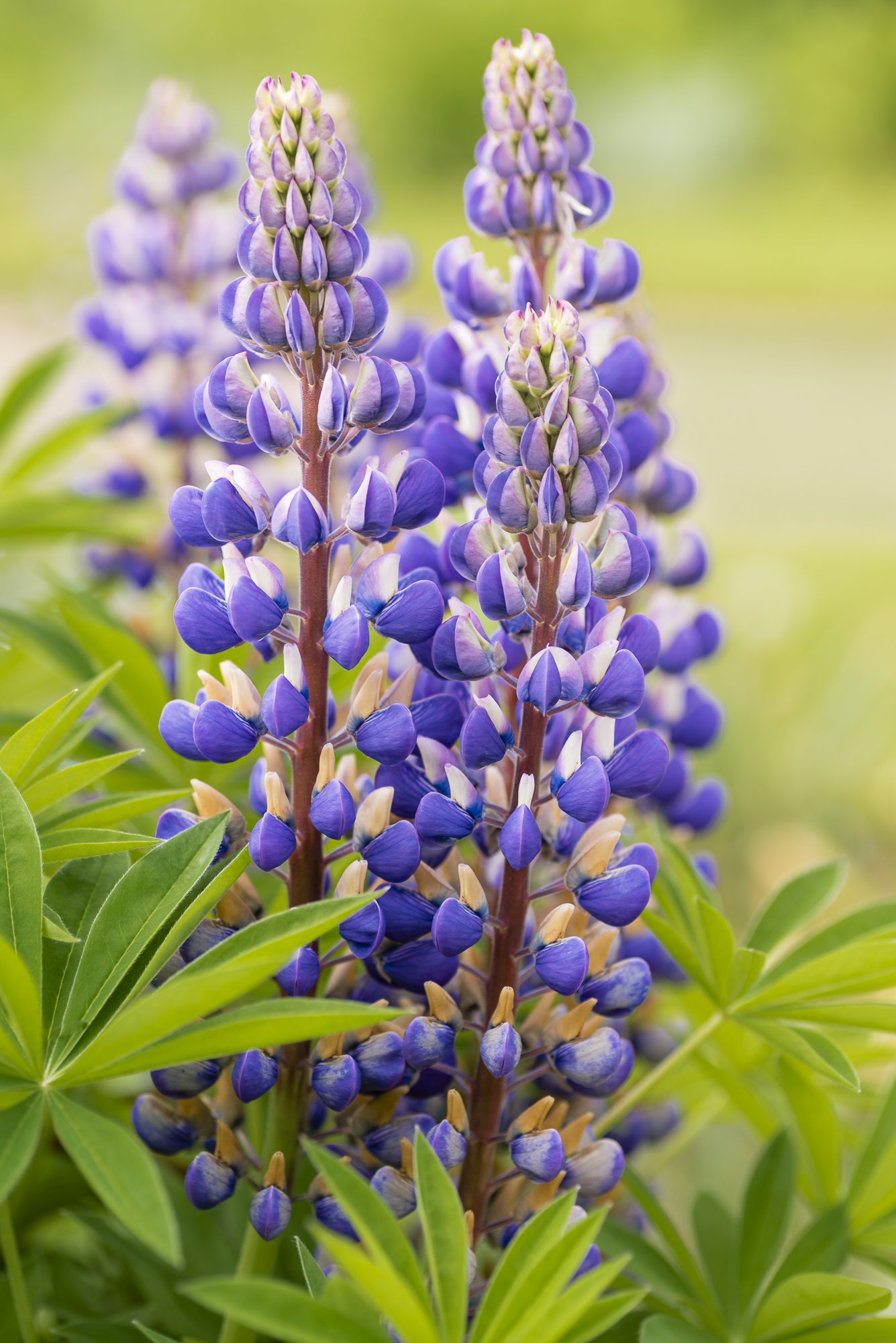
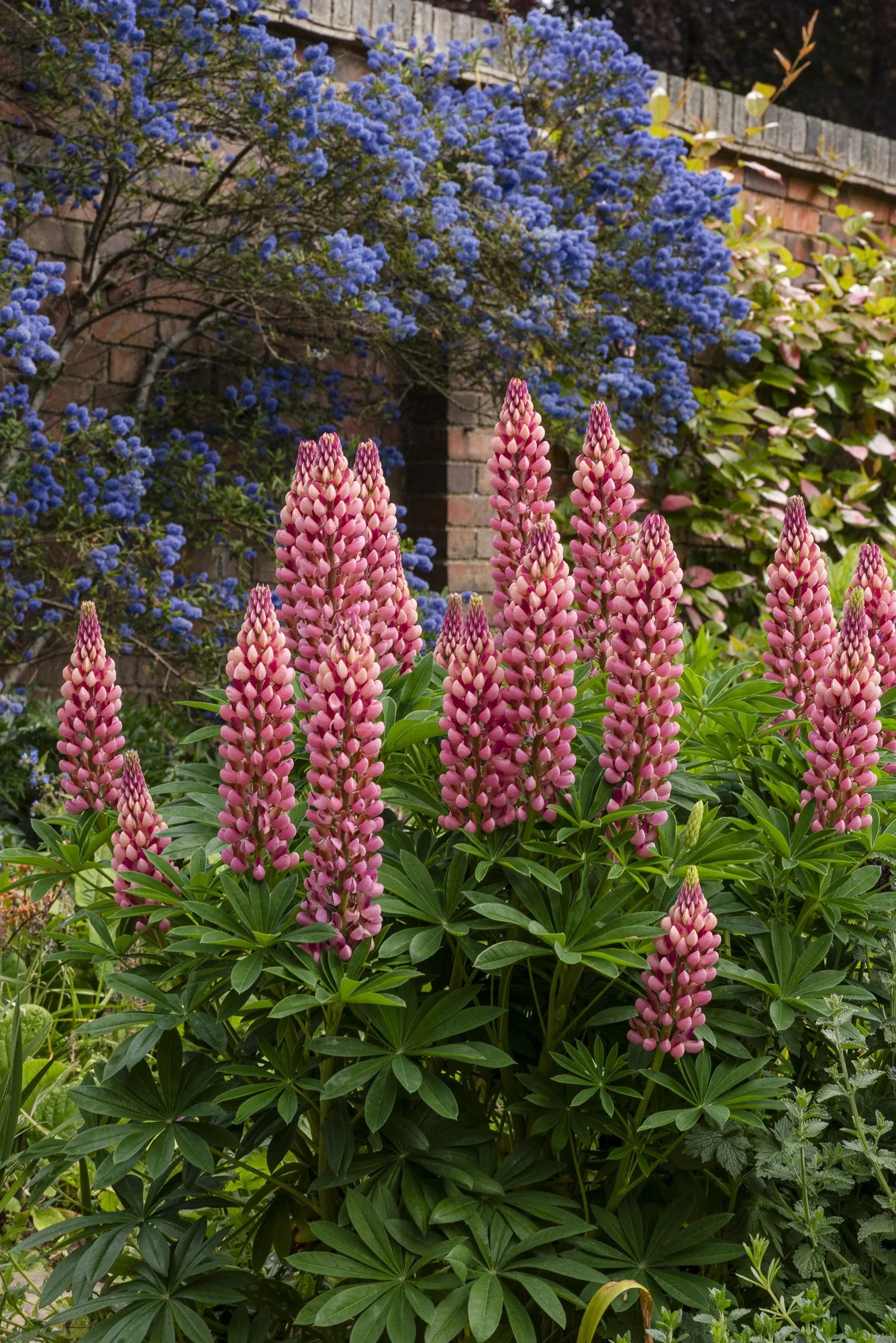
Lastly, it would be remiss of me not to mention the wonderful opportunity to meet like minded creatives on this visit. It was particularly nice to meet Alex Valk, trained horticulturalist, writer, award winning garden designer, garden consultant and all round good egg. We discovered a mutual enjoyment of the Birmingham food scene and pride at being adopted Brummies, we were very keen to share our love of Winterbourne with the collected group of GMG members. It was also a joy to meet Fiona Walsh, an amazing photographer from the south west. We geeked out about camera gear and she was very kind to share with me some of her experiences of the industry. It was interesting the array of career changers amongst us and Alex, Fiona and I shared our respective stories of what prompted our changes. I’m so grateful I joined the GMG/PGPA for just these types of experiences where you get to meet other people in the industry, as well as get a behind the scenes look at some incredible gardens.
Keep an eye out for my next blog, where I’ll write more about our visit to the Birmingham Botanic Gardens, including the major capital project they are fundraising for in order to renovate the historical glass houses and create a truly amazing visitor experience in the heart of the City.
Pop your details below and I can notify you when future blog posts go live.